Fire Safety (England) Regulations 2022, regulation 10
Your fire door checks, planned and recorded
The 3-monthly communal door checks and yearly flat entrance door checks the law requires for blocks of flats over 11 metres in England. Check on your phone, log every attempt to get into flats, and keep records ready for the fire service.
For residents' management companies, right to manage companies, freeholders, block managers and managing agents in England.
Great value
Do the routine checks yourself, with a proper record
£99 per building per year
- Every door and flat covered, no per-door fees
- Checklists based on the government's fire door guidance
- Reminders before each check is due
Set up your building and try your first communal check free. Pay only when you need to keep recording and download your records.
3 months
The longest allowed gap between checks of the communal fire doors in a block over 11 metres.
12 months
Flat entrance doors must be checked at least yearly, using best endeavours, with a record of every attempt to get access.
£99
Per building per year. One fixed price, whatever the number of doors.
Made for the people who look after blocks of flats
If the top storey of your block is more than 11 metres above ground, typically more than four storeys, the responsible person must check the communal fire doors at least every 3 months and use best endeavours to check every flat entrance door at least every 12 months. Fire Door Check Log is built for the people who carry that duty.
Volunteer directors
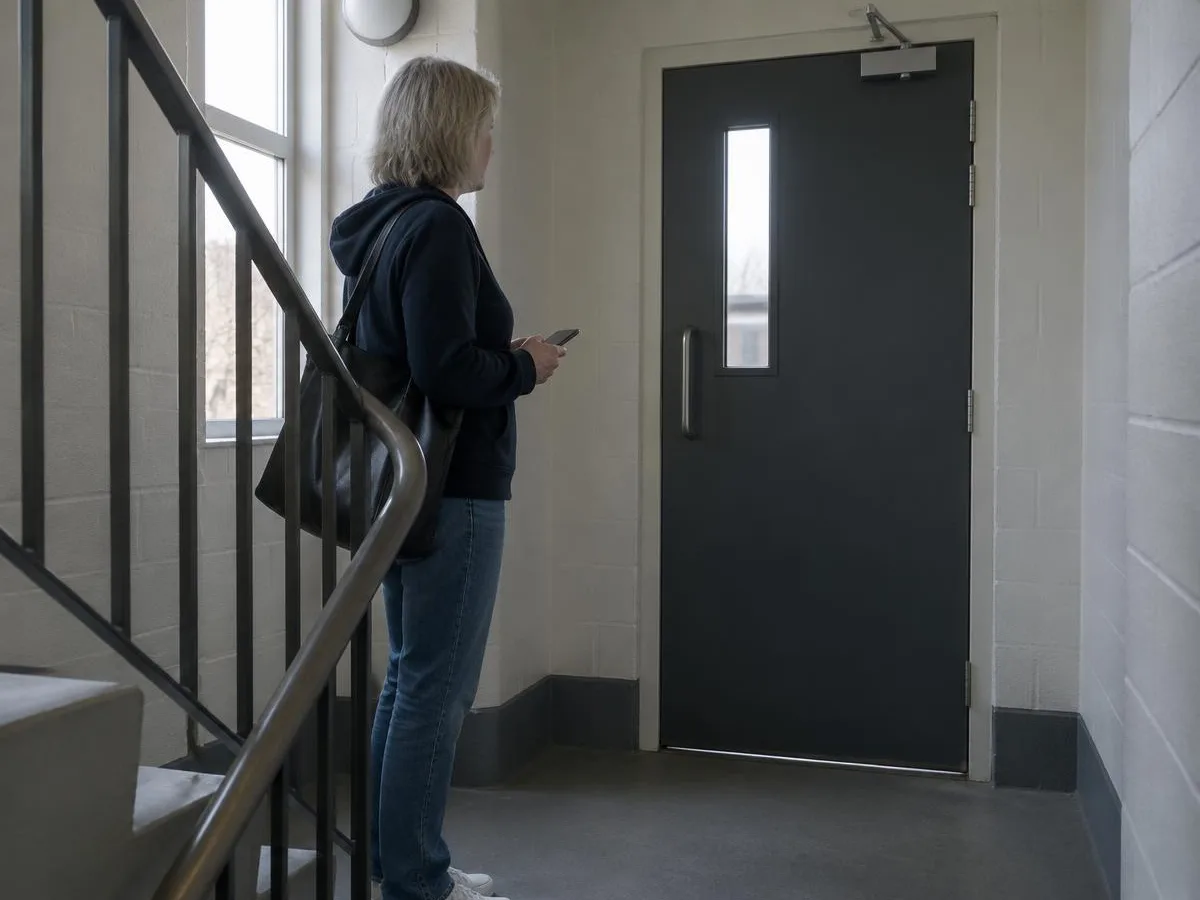
You act for the residents' management company or right to manage company that holds the duty. The government's guidance says these checks should be simple and basic, and that you shouldn't need a specialist to carry them out. Fire Door Check Log walks you through each door and keeps a record that survives changes of director.
Caretakers and maintenance staff
Do the checks on your phone as you walk round. Each door has a short checklist, and anything that needs fixing is flagged for the responsible person.
Managing agents and block managers
See every building's communal and flat entrance door checks at a glance, with due dates, outstanding flats and open actions.
How it works
Three steps. Most buildings are set up in minutes, and every check after that is guided.
Set up your building
Add the address, the number of flats and a register of your communal fire doors: stair and lobby doors, corridor doors, and doors to plant rooms, cupboards and risers.
Check your doors
Every 3 months, walk round the communal doors and answer a short checklist for each one, including the self-closing test the regulations require. Once a year, check each flat entrance door from both sides.
Record and repeat
Log every letter, call and visit to get into flats, and record any action needed. Download your records as PDFs for your fire safety file, and get a reminder before the next check is due.
What's included
Door register
Every communal fire door with a reference, location, type and how it closes. Flat entrance doors are listed by flat.
3-monthly communal checks
A checklist for each door based on the government's fire door guidance: damage, glazing, hinges, seals, gaps and the self-closing test. Doors on hold-open devices, and plant room and riser doors, get the right checks.
Yearly flat entrance door checks
The same checks from both sides of the door, plus letterboxes and replacement doors. Record who checked each door and when.
Access letters and a best-endeavours log
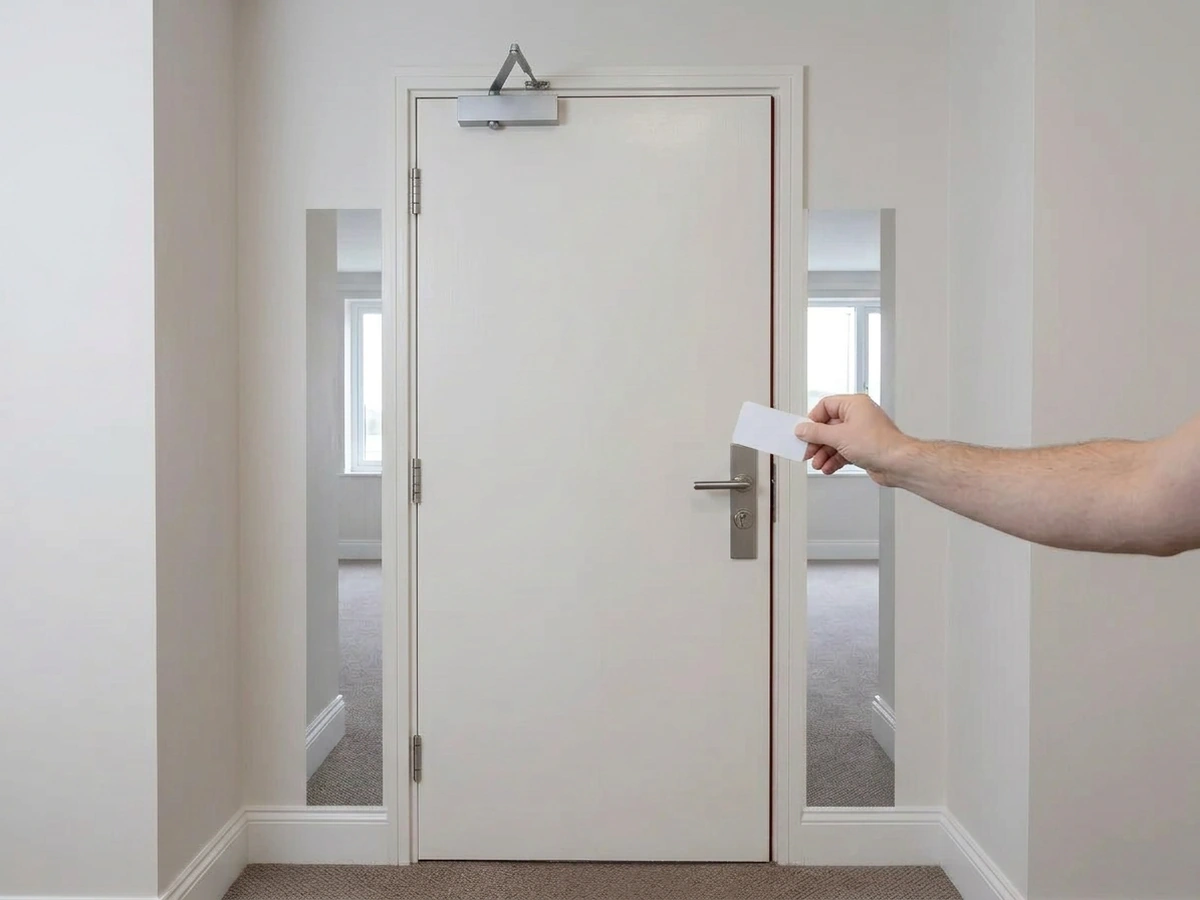
Print letters asking residents for access, with your choice of dates and times, and a follow-up letter. Every attempt is logged flat by flat, as Regulation 10 requires.
Actions and records
Anything that fails is flagged until a repair is recorded. Download PDF records of each check round and the yearly flat door checks, or export everything as a CSV.
Simple, fixed pricing
One price per building, whatever its size. No setup fees, no per-door charges, no per-flat charges.
£99
per building, per year
That's about £1.90 a week, or £8.25 a month.
Everything included:
- A register of every communal and flat entrance door
- 3-monthly communal check rounds with on-phone checklists
- Yearly flat entrance door checks
- Access letters and a flat-by-flat log of attempts to get access
- Action tracking until each repair is recorded
- PDF records and CSV export for your fire safety file
- Email reminders before each check is due
Set up and try your first communal check free. Cancel any time.
Why it's good value
Because the price is per building, not per door or per flat, the cost per home falls as the block gets bigger:
| Flats in the block | Cost per flat per year |
|---|---|
| 20 | £4.95 |
| 40 | £2.48 |
| 60 | £1.65 |
| 100 | £0.99 |
Fire door inspection companies usually charge per door for each visit, often with a minimum visit charge. Government guidance says the routine Regulation 10 checks should be simple enough not to need a specialist, so you can do them yourself and keep specialist inspections for when you need them.
Fire and rescue authorities can inspect, serve enforcement notices and prosecute. A breach of the regulations is a criminal offence if it puts residents or others at risk of death or serious injury in a fire.
Fire door checks in blocks of flats, in plain English
Regulation 10 of the Fire Safety (England) Regulations 2022 has applied since 23 January 2023. In every block of flats with common parts, residents must be told to keep fire doors shut, not to tamper with self-closing devices, and to report faults or damage straight away.
Where the top storey is more than 11 metres above ground, the responsible person must also check any fire doors in the communal areas at least every 3 months, and use best endeavours to check the entrance door of every flat at least every 12 months. Both checks must include making sure the self-closing devices work. A record must be kept of the steps taken to check flat entrance doors, including the attempts made to get access where a resident didn't let you in.
Government guidance says these checks should be simple and basic. They're visual, need no tools, and caretakers, managing agents and maintenance staff should be able to do them with the right instruction. Any repair or replacement the checks find must be carried out by a competent contractor as soon as reasonably practicable.
The checks don't replace your fire risk assessment, which considers whether your doors are suitable in the first place, or periodic assessment of your fire doors by a specialist. The guidance also says that, in most cases, a flat entrance door that met the standards when the block was built, or when the door was made, will still give adequate protection if it's undamaged and the gaps aren't too large. A missing certificate, or missing intumescent strips and smoke seals, doesn't on its own mean a door is unfit.
Fire door checks in blocks of flats: what Regulation 10 requires
Why fire doors matter
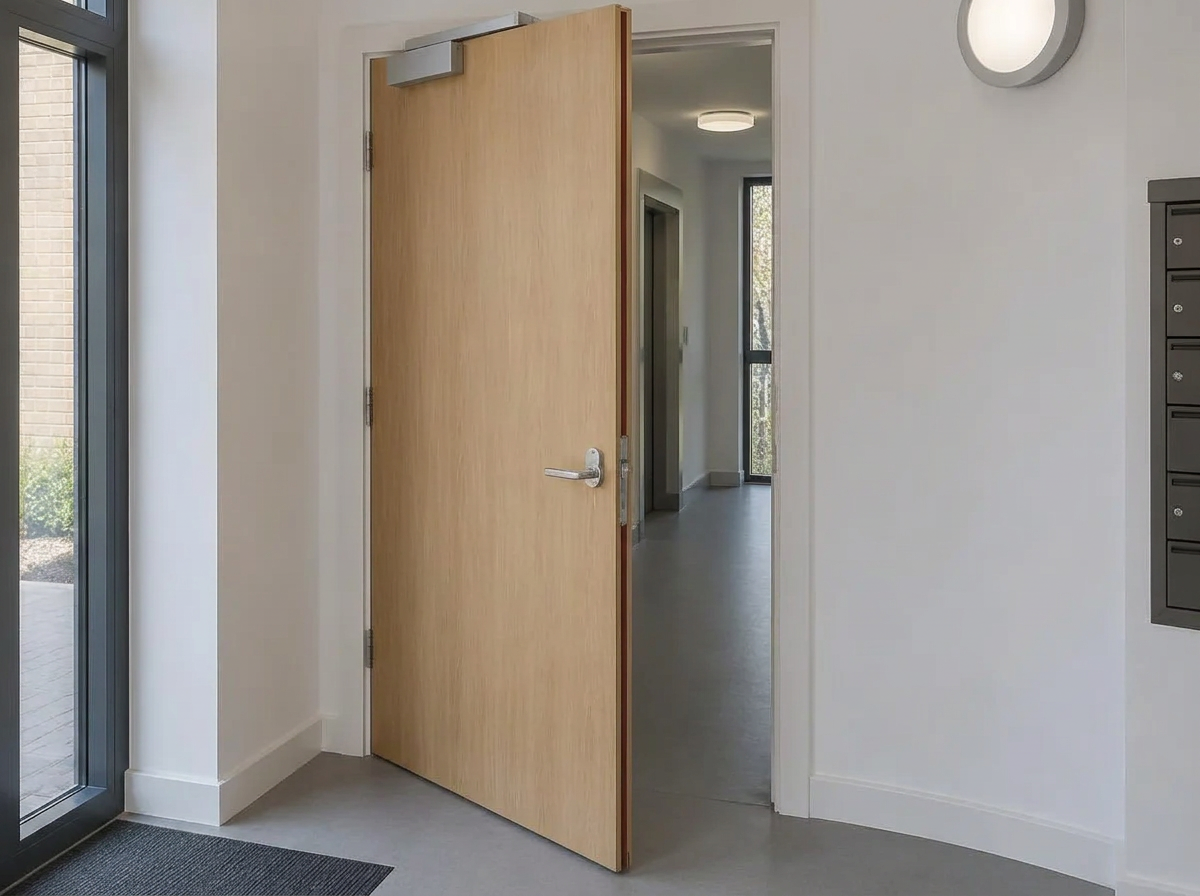
Most fires in blocks of flats start inside a flat. The flat entrance door stops fire and smoke spreading into the corridors and stairs that everyone else uses to escape. Stair, lobby and corridor doors keep those escape routes clear of smoke, for residents and for firefighters.
A fire door only works if it closes fully into its frame. The Grenfell Tower Inquiry emphasised that flat entrance doors must be effectively self-closing, which is why every check includes the self-closing test.
Frequently asked questions
Which blocks of flats need fire door checks?
In England, any building with two or more flats and common parts residents would use to escape, where the top storey is more than 11 metres above ground. That's typically a building of more than four storeys. Below 11 metres, Regulation 10 doesn't require the 3-monthly and yearly checks, but your fire risk assessment may still recommend checking your fire doors.
How often must fire doors be checked?
Communal fire doors at least every 3 months. Flat entrance doors at least every 12 months, on a best-endeavours basis.
Do I need a qualified fire door inspector?
Not for the routine Regulation 10 checks. Government guidance says they should be simple and basic, and that you shouldn't need a specialist. They're visual checks that need no tools. You may still want a specialist to assess your doors from time to time, for example as part of your fire risk assessment, and repairs must be carried out by a competent contractor.
What does a fire door check involve?
Looking for damage or alterations to the door, frame and glazing, checking hinges and other hardware, checking any intumescent strips and smoke seals, checking the gaps around the door, and making sure the self-closing device shuts the door fully into its frame. Flat entrance doors are checked from both sides, including the letterbox.
What does best endeavours mean for flat entrance doors?
You must genuinely try to check every flat door, and keep a record of what you did. Government guidance suggests arranging checks with residents in advance and offering a range of times. Where a resident doesn't let you in, record every step you took. If a resident persistently refuses, you might need to consider legal action.
What happens if a door fails a check?
Fire Door Check Log flags it as needing action until you record the repair. Repairs or replacements must be carried out by a competent contractor as soon as reasonably practicable.
Does Fire Door Check Log inspect or certify my doors?
No. It helps you plan, carry out and record the routine checks yourself. It doesn't replace your fire risk assessment, a specialist fire door inspection or professional advice.
Does it cover Wales, Scotland or Northern Ireland?
No. It's designed for buildings in England only.
How much does Fire Door Check Log cost?
£99 per building per year, about £1.90 a week, whatever the number of doors or flats. You can set up a building and do your first communal check free. Further checks, letters and downloads need a subscription for that building, and you can cancel at any time.
Can I use it alongside Resident Fire Safety?
Yes. Resident Fire Safety produces the fire safety leaflet and notice residents must be given. Fire Door Check Log covers the fire door checks. They're separate subscriptions.
Free guide: Responsible for fire doors in a block over 11 metres?
Get the free guideGet your fire door checks on track
Set up your building in minutes. £99 per building per year, cancel any time.